
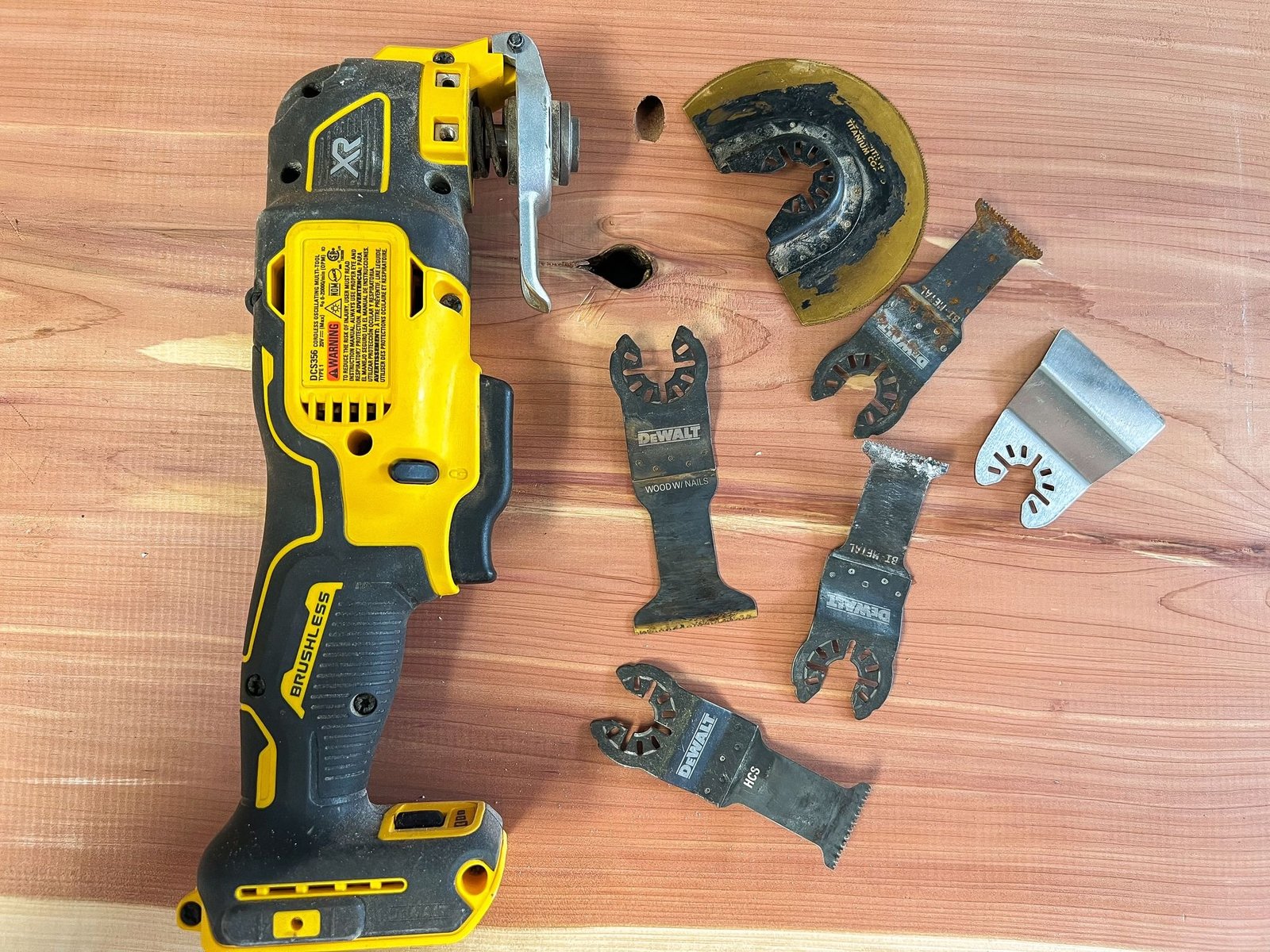
A multitool is used for cutting, gripping, turning screws, opening bottles, and stripping wire — small jobs you’d otherwise need a toolbox for. Which tools you actually get depends on the model, so check the tool list before you buy.
What a multitool is used for
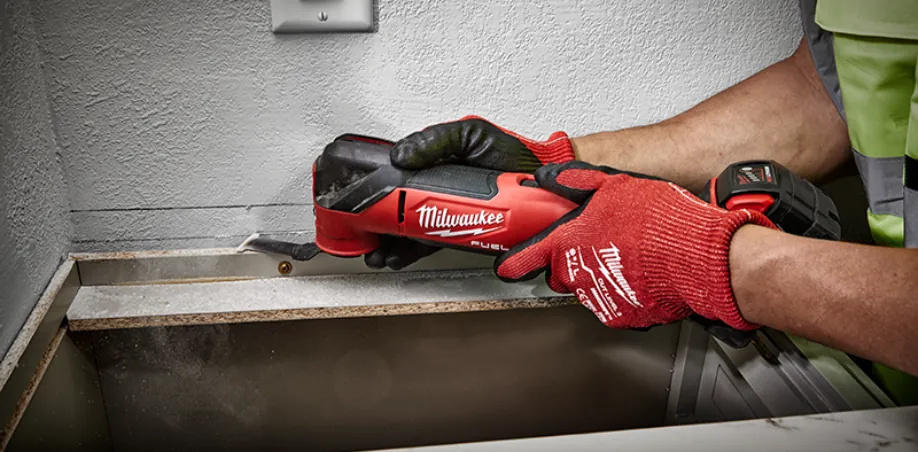
- A full-size multitool usually packs 12–18 tools, including pliers, a knife blade, and 2–3 screwdriver bits.
- The pliers are the main tool on most models — needle-nose jaws for gripping and bending wire.
- A locking blade handles cutting rope, cardboard, and zip ties; non-locking blades are shorter and less safe under load.
- Screwdriver bits on full-size models fit Phillips #1 and #2, flathead, and sometimes hex sizes.
- A saw blade cuts small branches and plastic pipe, not firewood — the stroke is short.
- Check the maker’s own tool list before buying. The count on the box is often higher than the count you’ll use.
Why the pliers matter most
The pliers sit at the center hinge, so they take the most force of any tool on the frame. Squeeze hard on the jaws and the handles act as a lever, giving you grip a pocket knife can’t match.
The knife blade is the opposite. It’s short, and on many models it doesn’t lock. Push it sideways while cutting and it can fold onto your fingers. The CPSC guidance on knife safety explains why a locking blade matters for anything beyond light cutting.
When a multitool isn’t the right pick
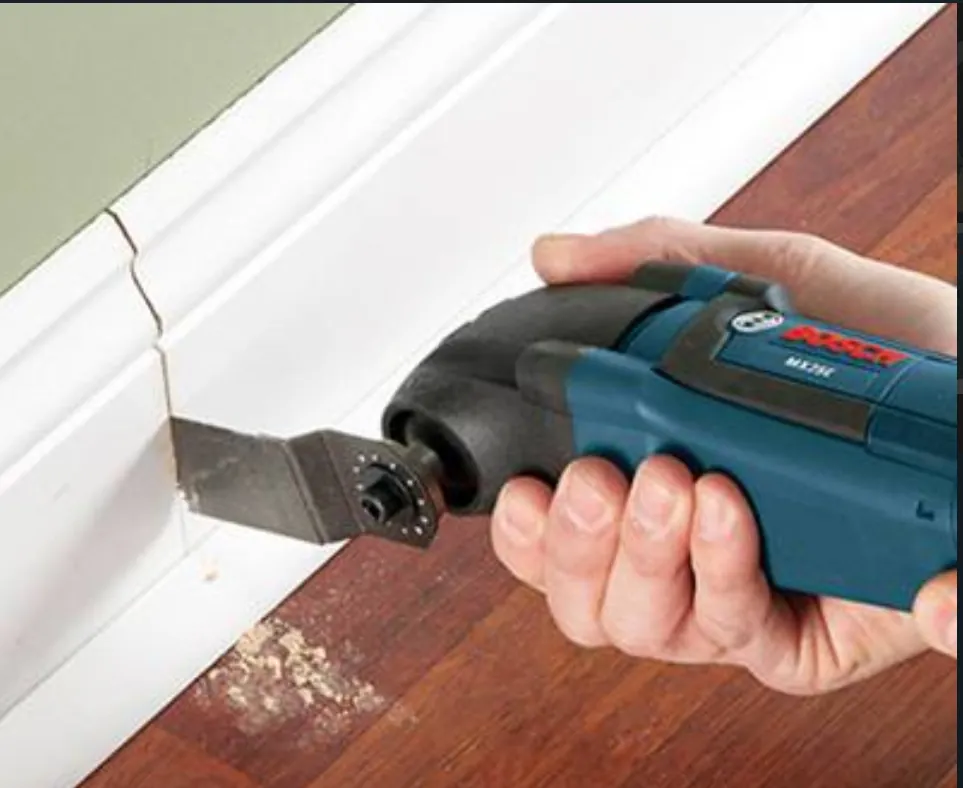
A multitool wins when you’re away from your toolbox and the job is small. It loses when the job is big, repeated, or needs real torque. Here’s where the simple answer changes.
| Situation | What changes | What to do instead |
|---|---|---|
| Screw is stuck or rusted | Bits are short, low torque | Use a full-size screwdriver |
| Cutting a lot of wire | Jaws wear, hand cramps | Use dedicated wire cutters |
| Tight space, awkward angle | Tool won’t fit or open | Use a stubby driver or pliers |
| You need a saw for firewood | Blade is too short | Pack a folding saw |
| Job takes all day | Hand fatigue sets in | Bring a real tool kit |
| Air travel | Blades are banned in carry-on | Pack it in checked bags |
How to use one without wrecking it
- Open only the tool you need, and fold every other tool back in first — an open blade next to an open saw is how hands get cut.
- Check whether the blade locks. Push the spine with your thumb; if it folds, treat it as a light-duty cutter only.
- Grip the handles with your whole hand, not two fingers, when you squeeze the pliers — this spreads the force and stops the tool twisting.
- Match the bit to the screw head. A Phillips #2 bit in a #1 screw strips the head in one turn.
- Cut away from yourself with short strokes, whether or not the blade locks.
- Wipe the pivot with a dry cloth after wet or sandy use, then add one drop of light oil — grit in the hinge is what makes tools stiff.
- Close every tool before you put it away. A half-open blade in a pocket or bag is a cut waiting to happen.
Mistakes that ruin a multitool
- Prying with the knife tip. The blade snaps or bends, and a replacement blade often costs more than the tool is worth.
- Using the pliers as a wrench on a stuck bolt. The jaws round off the bolt head and the plier teeth lose their grip for good.
- Cutting live electrical wire. Most multitools have no insulation rating, so this is a shock risk — never do it.
- Leaving it wet. Water sits in the pivot and rusts the hinge, which is the one part you can’t easily fix.
- Buying on tool count alone. A 20-tool model with a weak frame breaks sooner than a 12-tool model with a solid one.
Frequently asked questions
Can you take a multitool on a plane?
No — the TSA bans blades in carry-on bags. A multitool with any blade must go in checked luggage. A bladeless model may pass carry-on, but the final call is the security officer’s.
Why does my multitool blade keep folding?
Because it’s a non-locking blade, and that’s by design on smaller models. Push it sideways and it closes on your fingers. For hard cutting, buy a model with a locking blade.
How long does a multitool last?
It depends on use, not age. A lightly used tool with a clean, oiled pivot can last many years; one used for prying and left wet may stiffen within months. Check the pivot for play as your guide.
Is it safe to cut wire with multitool pliers?
Only soft wire like copper or thin aluminum. Hardened steel wire notches the jaws. For anything thicker than the pliers are rated for, use dedicated cutters rated for that size.
What happens if I use it as a hammer?
The frame bends and the tools stop folding flat. Multitools aren’t hammers — the pivot takes the shock and that’s the part you can’t repair.
Does it matter which brand I buy?
Yes, mostly for the warranty and the steel. Leatherman and Gerber both publish their tool lists and warranty terms on their own sites, so compare those pages rather than the box.
How often should I oil it?
Every few weeks of regular use, or right after any trip near water or sand. One drop at the pivot is enough — too much oil traps grit and makes it worse.