
Have you ever wondered if your bicycle helmet has an expiration date? It might seem like your trusty helmet is as durable as ever, but there’s more to its lifespan than meets the eye.
Knowing whether your helmet is still safe to use can be essential for your safety on the road. We’ll delve into the surprising truth about bicycle helmets and their expiration dates.
You’ll discover why it’s important to pay attention to the age of your helmet, and how it can impact your overall safety.
By the end, you’ll have the knowledge you need to make informed decisions about when to replace your helmet, ensuring every ride is as safe as possible.
Don’t miss out on these vital insights that could make all the difference in your biking adventures.
Helmet Lifespan

Credit: roadbikeaction.com
Bicycle helmets do have an expiration date due to material degradation over time. Factors like UV exposure and impacts can weaken the protective foam, making it less effective. It’s recommended to replace helmets every 3-5 years for optimal safety.
Knowing the lifespan of a bicycle helmet is crucial for your safety. Helmets are not designed to last forever, and using one past its prime can compromise your protection. Understanding when to replace your helmet can make a significant difference in how well it protects you in an accident.
Understanding Helmet Lifespan
Helmets are typically designed to last about 3 to 5 years. This timeframe considers wear and tear from use, exposure to sunlight, and general material degradation. Even if your helmet looks fine, the materials inside might have weakened.
Factors Affecting Helmet Lifespan
Several factors can reduce the lifespan of your helmet. Exposure to UV rays from the sun can weaken the shell and the foam inside. If you ride often in bright sunlight, consider replacing your helmet sooner.
Sweat and hair oils can also degrade the helmet’s interior. Regular cleaning can help, but over time, these elements break down the materials.
If your helmet has been involved in a crash, even a minor one, it’s time to replace it. The impact may have compromised its ability to protect you in future incidents.
Signs Your Helmet Needs Replacing
Look for visible cracks or dents in the shell. These are clear signs that your helmet is no longer safe.
Check the straps and buckles. If they’re frayed or not holding securely, your helmet won’t stay in place during a fall.
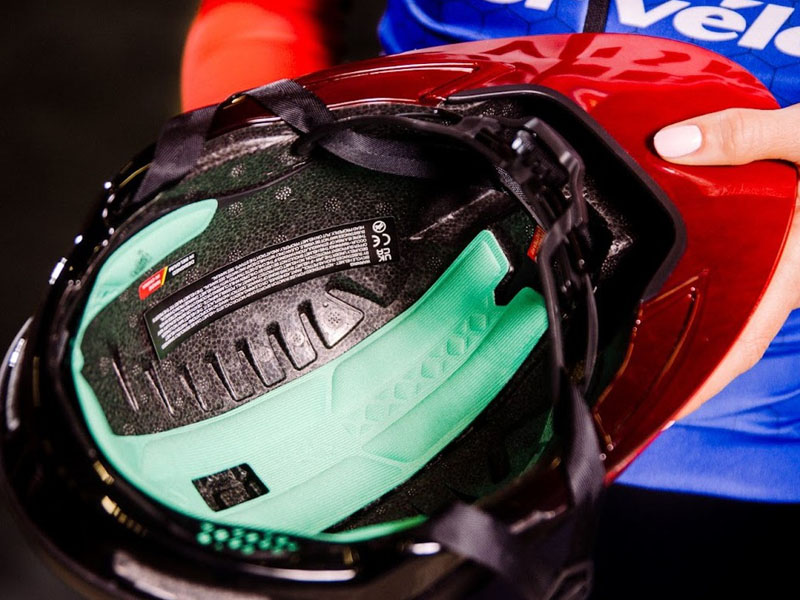
Inspect the foam liner inside. If it’s crumbling or compressed, it won’t absorb shock effectively.
Regular Maintenance For Longer Lifespan
Keep your helmet clean by washing it with mild soap and water. This prevents sweat and grime from breaking down the materials.
Store your helmet in a cool, dry place away from direct sunlight. This protects it from UV rays that can weaken the outer shell.
If you regularly check and maintain your helmet, you can extend its life within the recommended timeframe. But never compromise on safety for longevity.
Have you ever checked the lifespan of your helmet? It might be time for a closer look. Your safety should always come first, and a helmet is a critical part of that.
Factors Affecting Durability
Bicycle helmets are crucial for rider safety. But do they last forever?
Understanding the factors affecting helmet durability is essential.
Many elements can influence how long a helmet remains effective.
These factors determine the lifespan and protective capability of your helmet.
Material Composition
The materials used in making a helmet impact its durability.
Most helmets use expanded polystyrene (EPS) foam.
This foam absorbs impact during a fall.
Over time, EPS can degrade, reducing its protective ability.
Exposure To Sunlight
UV rays from the sun can damage helmet materials.
Prolonged exposure weakens the shell and foam.
This exposure can lead to cracks and reduced shock absorption.
Storing helmets away from direct sunlight helps maintain their strength.
Impact From Accidents
A helmet that has experienced impact should be replaced.
Even minor falls can cause unseen damage.
The integrity of the helmet may be compromised.
Always inspect your helmet after any accident.
Wear And Tear
Regular use can cause wear and tear on a helmet.
Straps can become loose or break.
The inner padding may compress over time.
All these reduce a helmet’s effectiveness.
Environmental Conditions
Helmets exposed to extreme temperatures may degrade faster.
Heat can warp the shell or foam.
Cold can make materials brittle and prone to cracking.
Store helmets in stable environments to prolong their life.
Signs of Wear And Tear
Credit: blog.rodalink.com
Bicycle helmets show signs of wear and tear, such as cracks, faded colors, or frayed straps. These can indicate it’s time for a replacement. Regular checks ensure safety and protection on every ride.
Bicycle helmets are your shield on the road, but like any trusty companion, they can show signs of age and use. Recognizing these signs can be crucial for your safety.
Imagine cruising down a hill on your bike, the wind in your hair, only to wonder if your helmet is still safeguarding you. Knowing when to replace your helmet can be the difference between a minor mishap and a serious accident.
Here’s how to spot those signs of wear and tear.
Visible Cracks And Damage
Take a close look at your helmet. If you spot any cracks or dents, it’s time to consider a replacement. These imperfections can weaken the helmet’s protective ability. Even if the damage seems minor, the helmet’s structural integrity could be compromised.
Strap Wear And Tear
The straps keep your helmet securely in place. Inspect them for fraying or stretching. Over time, straps can lose elasticity or become brittle. A strap that doesn’t hold firm can be as dangerous as not wearing a helmet at all.
Foam Compression
The foam inside your helmet absorbs impact. Press gently on the foam. If it feels compressed or doesn’t spring back, it might not provide the protection you need. This can occur from repeated minor impacts or from simply aging.
Fading Color
Have you noticed your helmet’s color fading? This can be more than just an aesthetic issue. Sun exposure can weaken the materials. A faded helmet could be a sign that the protective outer layer is deteriorating.
Loose Fit
Do you find yourself adjusting your helmet constantly? A loose fit is a red flag. Your helmet should fit snugly. If it wobbles or shifts, it may have lost its shape and effectiveness.
Reflect on your personal experiences. Have you ever been unsure about your helmet’s condition? The peace of mind that comes with knowing you’re protected is invaluable.
Consider this: when was the last time you truly examined your helmet for wear and tear? It might be time to add it to your safety checklist.
Conclusion
Bicycle helmets do expire. Safety should be your top priority. Over time, materials weaken. This reduces protection in a crash. Check your helmet regularly for cracks or wear.
Replace it every five years or sooner if damaged. This ensures maximum safety on the road. Old helmets might not meet current safety standards.
Invest in a new helmet for peace of mind. Protect your head while cycling. Your safety is worth it. Keep riding safe and smart. Don’t compromise on something so crucial.
Decide on a reliable helmet for your adventures.