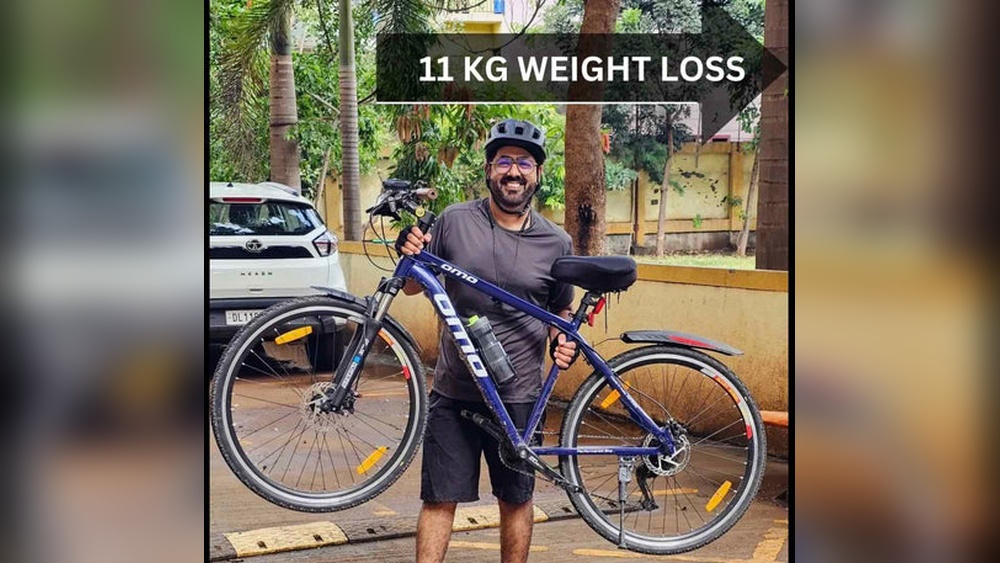
Cycling is one of the most popular forms of exercise worldwide. Many people jump on their bikes hoping to shed extra pounds, especially around the belly. But does cycling really help in reducing belly fat, or is it just another fitness myth?
Let’s explore what science says, how cycling works, what you should expect, and how to maximize your results if your goal is a flatter stomach.
How Cycling Burns Fat
Cycling is a cardiovascular exercise. When you ride, your body needs more energy. To meet this demand, it burns calories from both carbohydrates and fat. Over time, if you burn more calories than you eat, you lose weight.
But what about belly fat specifically? Fat loss happens across the whole body. You cannot target fat loss in just one area by exercising that part alone. This is called the spot reduction myth. However, cycling can help lower your overall body fat, including in the belly.
Research in the Journal of Obesity found that regular aerobic exercise, like cycling, reduces both total body fat and visceral fat—the dangerous fat stored around your organs in the abdomen.
Cycling Vs. Other Exercises For Belly Fat
Cycling stands out for many reasons. It’s easier on the joints compared to running, can be done at various intensities, and is enjoyable for many people. To see how it compares with other activities, here’s a simple table:
| Activity | Calories Burned (1 hour, 70 kg person) | Impact on Joints |
|---|---|---|
| Cycling (moderate) | 400-600 | Low |
| Running (moderate) | 600-800 | High |
| Walking (brisk) | 300-400 | Very Low |
| Swimming | 400-600 | Very Low |
As you can see, cycling burns a significant number of calories with much less impact on your knees and ankles. This makes it suitable for people of all ages and fitness levels.
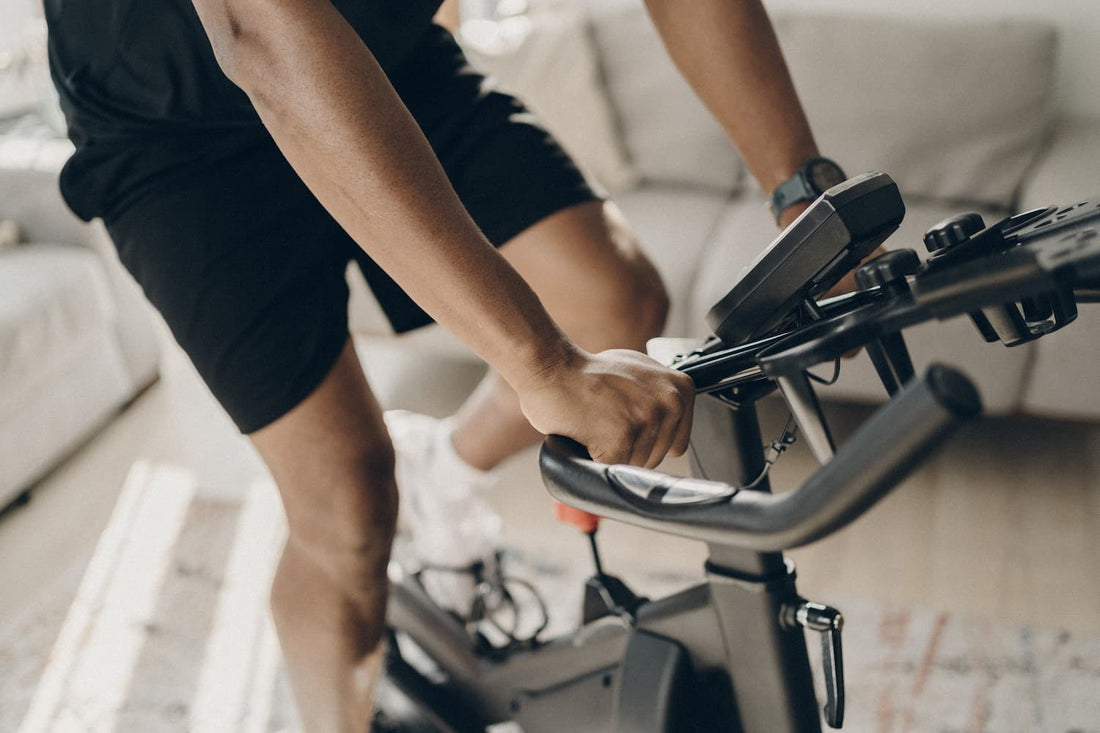
Credit: movewithascend.com
The Science Behind Belly Fat Loss
Belly fat is often the hardest to lose. There are two main types:
- Subcutaneous fat: The soft fat under your skin
- Visceral fat: The deeper fat around your organs
Visceral fat is more dangerous, linked to heart disease and diabetes. Cycling helps decrease both types, but especially visceral fat. A study published by Harvard showed that men who cycled for more than 20 minutes a day gained less visceral fat over time than those who didn’t ride.
Here’s a look at how cycling affects different fat types:
| Fat Type | Reduces with Cycling? | Health Impact |
|---|---|---|
| Subcutaneous | Yes, gradually | Mainly cosmetic |
| Visceral | Yes, significantly | High risk if too much |
How Much Cycling Do You Need?
Consistency is key. The World Health Organization recommends at least 150 minutes of moderate aerobic exercise per week for adults. For real belly fat reduction, many experts suggest:
- Ride 3-5 times per week: Each ride should last 30-60 minutes.
- Mix intensities: Include some faster intervals (high intensity) to burn more calories.
- Stay consistent: Results take time—often 8 to 12 weeks to notice visible changes.
If you’re new to cycling, start slow. Gradually increase your duration and intensity as your fitness improves.
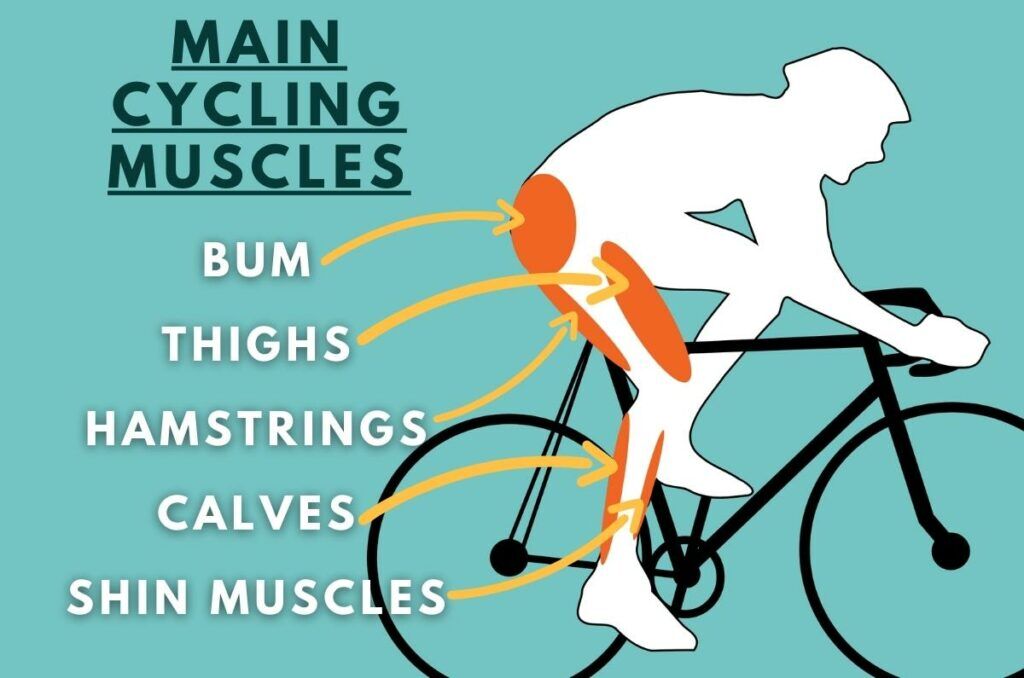
Credit: www.gatewayofindia.ky
Tips To Maximize Belly Fat Loss With Cycling
Cycling alone may not be enough for dramatic belly fat loss. Here are some proven ways to get better results:
- Combine cycling with a healthy diet. Reduce sugar and refined carbs. Focus on lean protein, vegetables, and whole grains.
- Add strength training. Building muscle increases your metabolism, so you burn more fat even when resting.
- Include interval training. Short bursts of intense cycling followed by easy pedaling can increase fat burning.
- Track your calories. Use an app or journal to make sure you are in a calorie deficit.
- Prioritize sleep and stress management. Poor sleep and high stress increase belly fat by raising cortisol levels.
A common mistake is overestimating calories burned or eating more because you exercised. Remember, you cannot out-cycle a poor diet.
Common Mistakes That Slow Progress
Many beginners make similar errors when trying to lose belly fat by cycling. Watch out for these:
- Ignoring nutrition: Exercise alone rarely leads to major fat loss.
- Doing only slow, easy rides: Mixing in harder efforts is more effective.
- Skipping strength training: Muscle loss slows your metabolism.
- Inconsistent schedule: Random rides don’t deliver steady results.
- Measuring only by weight: Fat loss may not always show as weight loss due to muscle gain.
Realistic Expectations: What Results Can You Expect?
Cycling can absolutely help reduce belly fat, but the process is gradual. For most people, a healthy, consistent program leads to losing 0. 5 to 1 kg of fat per week. Visible changes in the belly area often take 2-3 months of regular cycling and proper eating.
Here’s a sample timeline for someone cycling 4 times a week and eating a balanced diet:
| Time Period | Typical Change |
|---|---|
| 2 weeks | More energy, better mood, minor weight loss |
| 1 month | Noticeable fat loss, clothes fit better |
| 3 months | Flatter belly, improved health markers |
It’s important to measure your waist and body fat percentage, not just your weight, to see real progress.
Frequently Asked Questions
How Long Should I Cycle To Lose Belly Fat?
Aim for at least 30-60 minutes per session, 3 to 5 times a week. Intensity matters too—include some faster intervals for best results.
Can Cycling Alone Reduce Belly Fat?
Cycling helps, but pairing it with a healthy diet and some strength training is far more effective. You need a calorie deficit to lose belly fat.
Is Cycling Better Than Running For Belly Fat?
Both are effective. Cycling is gentler on the joints and easier to sustain for longer sessions. Running burns more calories per minute but may not be suitable for everyone.
Will Cycling Give Me Abs?
Cycling strengthens your core but doesn’t directly build visible abs. To see abs, you must reduce overall body fat through diet and exercise.
What Type Of Cycling Is Best For Belly Fat?
Interval cycling (alternating fast and slow periods) burns more calories and fat than steady, slow rides. Outdoor and stationary cycling are both effective.
Cycling is a fun, accessible way to burn calories and reduce belly fat over time. When you combine it with a balanced diet, strength training, and healthy habits, results will come. Patience and consistency are your best allies. For those wanting a deeper look at exercise and belly fat, check out this resource from Harvard Health. Remember, every ride brings you closer to your goals—one pedal at a time.
Credit: www.outdoors91.com